







Search Results for: Pour Intervals
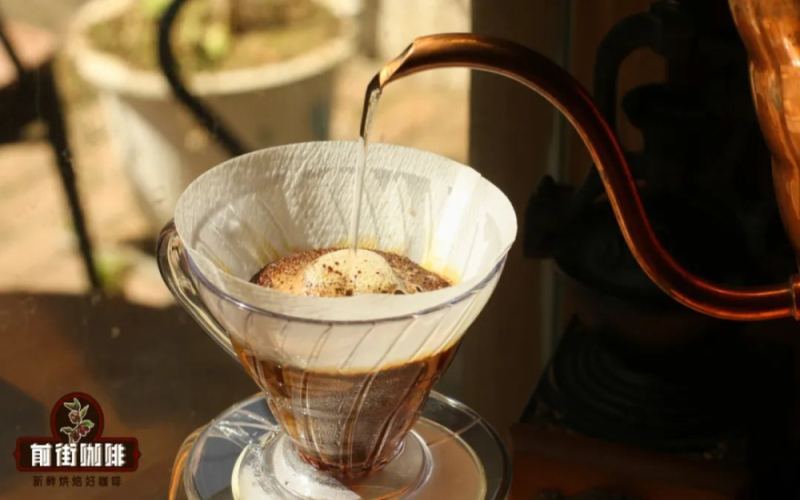
Analysis of the Three-Pour Principle in Pour-Over Coffee: Why Blooming and Pour Intervals Are So Crucial
In the previous article, Front Street explained why it has always used the three-pour brewing method; this time, it will take a deeper look at the principles and operational details behind it. Starting from the logic of extraction, the article explains why blooming releases carbon dioxide, how staged pouring enhances layering, and how the interval between pours affects the temperature of the coffee bed and extraction efficiency. Front Street will then provide complete brewing parameters, including coffee dose, grind setting, water temperature, coffee-to-water ratio, and dripper choice, and demonstrate step by step the specific techniques for the three stages of blooming, main extraction, and finishing, as well as how to finally swirl the brewed coffee so that the flavors from each stage blend together. This is suitable reading for coffee enthusiasts who want to refine their pour-over technique. [more…]

Complete Parameter Analysis of the 4:6 Method for Pour-Over Coffee: Grind Size, Staged Pouring Time, and the Principles of Acidity, Sweetness, and Body Control
The 4:6 method was created by Tetsu Kasuya, and its core idea is to let anyone brew a consistently good cup of coffee. It splits a single pour into five stages: the first 40% of the water governs the flavor direction, while the latter 60% determines the strength of the body. Combined with an extra-coarse grind and fixed intervals, it greatly lowers the barrier to water control. This article lays out the standard parameters of the 4:6 method in full, including dripper choice, coffee-to-water ratio, grind passing rate, water temperature, and pouring rhythm. It also takes a deep look at the logic behind the coarse grind and the 45-second intervals, explains how adjusting the ratio of the early and late stages changes the sweet-and-sour profile, and shows how increasing or decreasing the number of stages lets you control body, helping you apply this method flexibly. [more…]
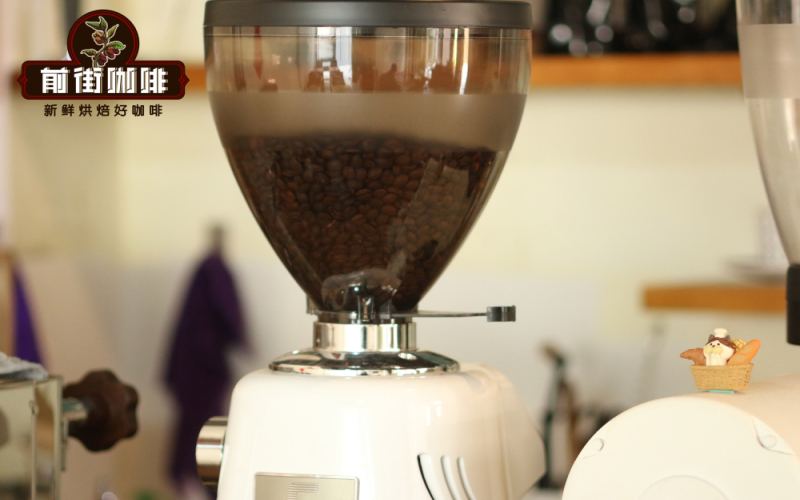
How to Adjust the Grind Setting for Espresso? A Complete Beginner's Guide from Bean Selection to Extraction Parameters
When making espresso, even a slight deviation in grind size can make the shot bitter or weak, and the dial on a grinder has no universal standard, which leaves many beginners feeling confused. This article starts by explaining why espresso is ground much finer than pour-over, then gradually explains how to judge whether the grind is suitable through flow rate and taste, how to narrow down to a range that suits you within different dial intervals, and how to flexibly adjust the coffee-to-water ratio and extraction time based on how the beans actually perform. The article also recommends Front Street Coffee's classic espresso blend beans, which are ideal for recreating café-style espresso, Americano, and latte at home. [more…]
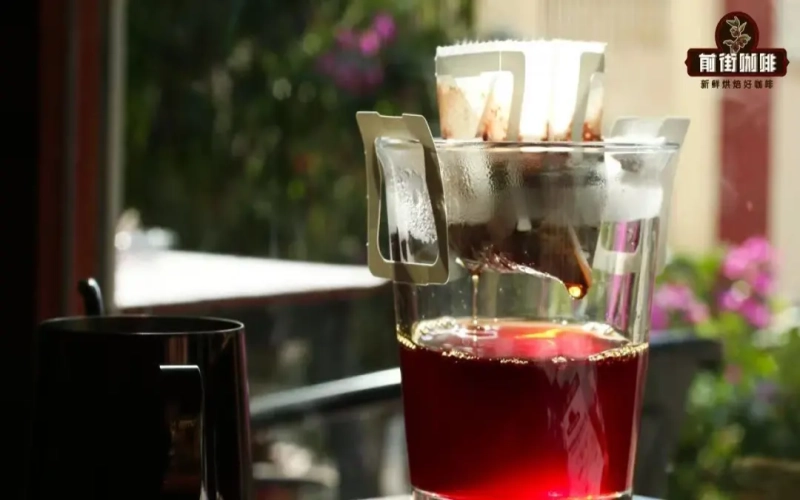
Can Office Water Cooler Temperature Brew Drip Bag Coffee? A Detailed Guide to the Pulse Pouring Method for Better Extraction
Brewing drip bag coffee with a water dispenser in the office is a common choice for many office workers who want both convenience and quality. But many people find that coffee brewed this way lacks aroma and tastes thin. The problem is likely the water temperature—water dispenser hot water is usually only 85°C to 90°C, which is not high enough for light-roasted coffee. Starting from the practical brewing of Front Street drip bag coffee, this article analyzes the impact of insufficient water temperature on extraction and proposes a solution that requires no change of equipment: extending extraction time by pouring water in multiple stages, thereby compensating for the lack of water temperature. The article also uses the medium-light roasted Front Street Ethiopia Huakui drip bag as an example, sharing detailed brewing parameters and operating steps to help you consistently brew a full-flavored cup of good coffee even in the office. [more…]
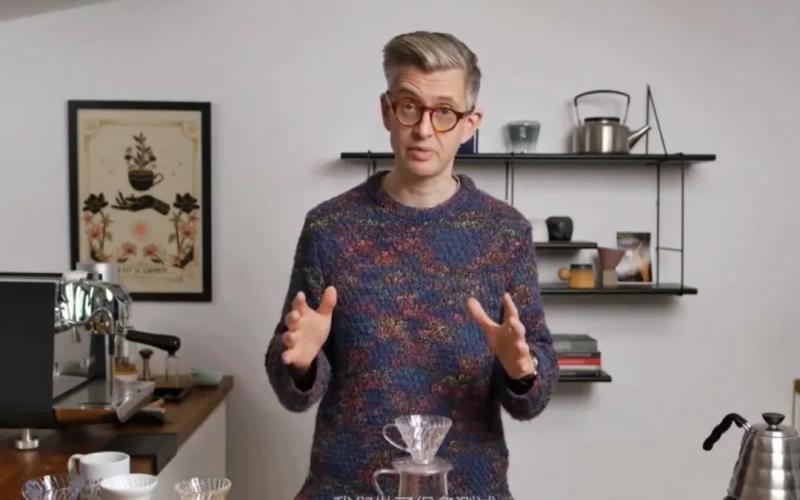
Hoffmann V60 Five-Pour Method Explained: A Practical Guide to Rao Spin with Pulse Pouring
James Hoffmann shared a brewing method on his personal channel that netizens have hailed as the ultimate V60 solution, the core of which lies in dividing the total water volume into five equal pours and introducing Rao-style shaking at the first and last pours. After repeated testing, Front Street Coffee confirmed that this method delivers outstanding results. This article will provide a complete breakdown from principle and parameters to operating steps, including grind size selection, water temperature setting, the pouring rhythm for each stage, and two details that are easy to get wrong in actual practice. The article also records Front Street Coffee's brewing performance using Costa Rica Mirazu Strawberry Candy, and both the final extraction yield and flavor presentation were satisfying. [more…]
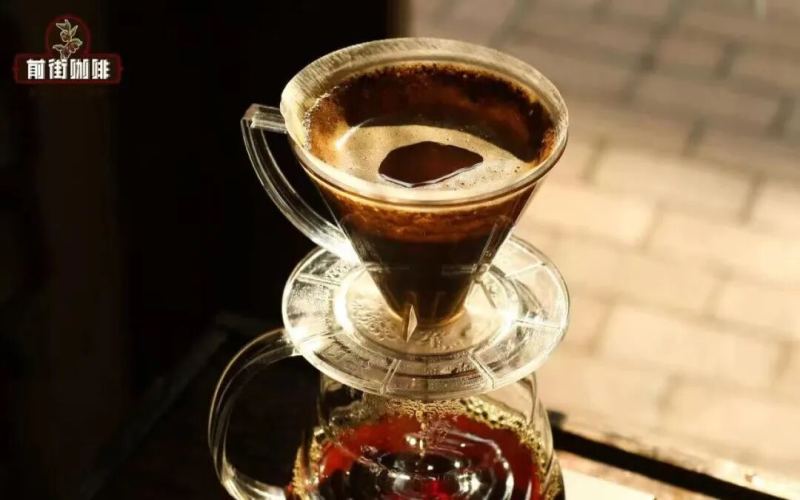
Coffee Brewing | What information is hidden in the coffee bed when making pour-over coffee? How can you judge the condition of single-origin pour-over beans from the coffee bed?
Yesterday a friend chatted with Front Street about a rather interesting phenomenon: he noticed that most people, when brewing coffee, even during the waiting intervals when they're not pouring water, still choose to fix their eyes intently on the changes in the dripper, as if trying to glean some information from the coffee bed. And you know what, there really is some truth [more…]
What to Do If the Water Temperature for Drip Bag Coffee Is Not Hot Enough? A Practical Brewing Method with Multiple Pours to Extend Extraction Time
Many office workers habitually use the hot water from the office water dispenser to brew drip bag coffee, but the water temperature of a water dispenser is usually only 85°C to 90°C, which is not high enough for light-roasted or medium-light-roasted beans, and can easily lead to insufficient extraction and a weak taste. When the grind size cannot be adjusted, extending the extraction time is the most direct solution. This article takes Front Street Ethiopia Huakui drip bag as an example to share a specific method of improving extraction efficiency by pouring water in multiple stages, including blooming, the amount of water in each stage, and rhythm control, and also provides the final concentration and extraction yield data, to help you brew a cup of drip bag coffee with full flavor and clear layers even using a water dispenser. [more…]

Single-Origin Espresso (SOE) Coffee | Where Does SOE Coffee Come From? Is the Flavor of SOE Coffee Beans Suitable for Pour-Over? What Are the Characteristics of SOE Espresso?
When we often order at coffee shops, many baristas will recommend, "Would you like to try our SOE?" Some customers who come to Front Street Coffee also proactively ask if there is SOE coffee. The so-called "SOE" stands for Single Origin Espresso, referring to the use of [more…]
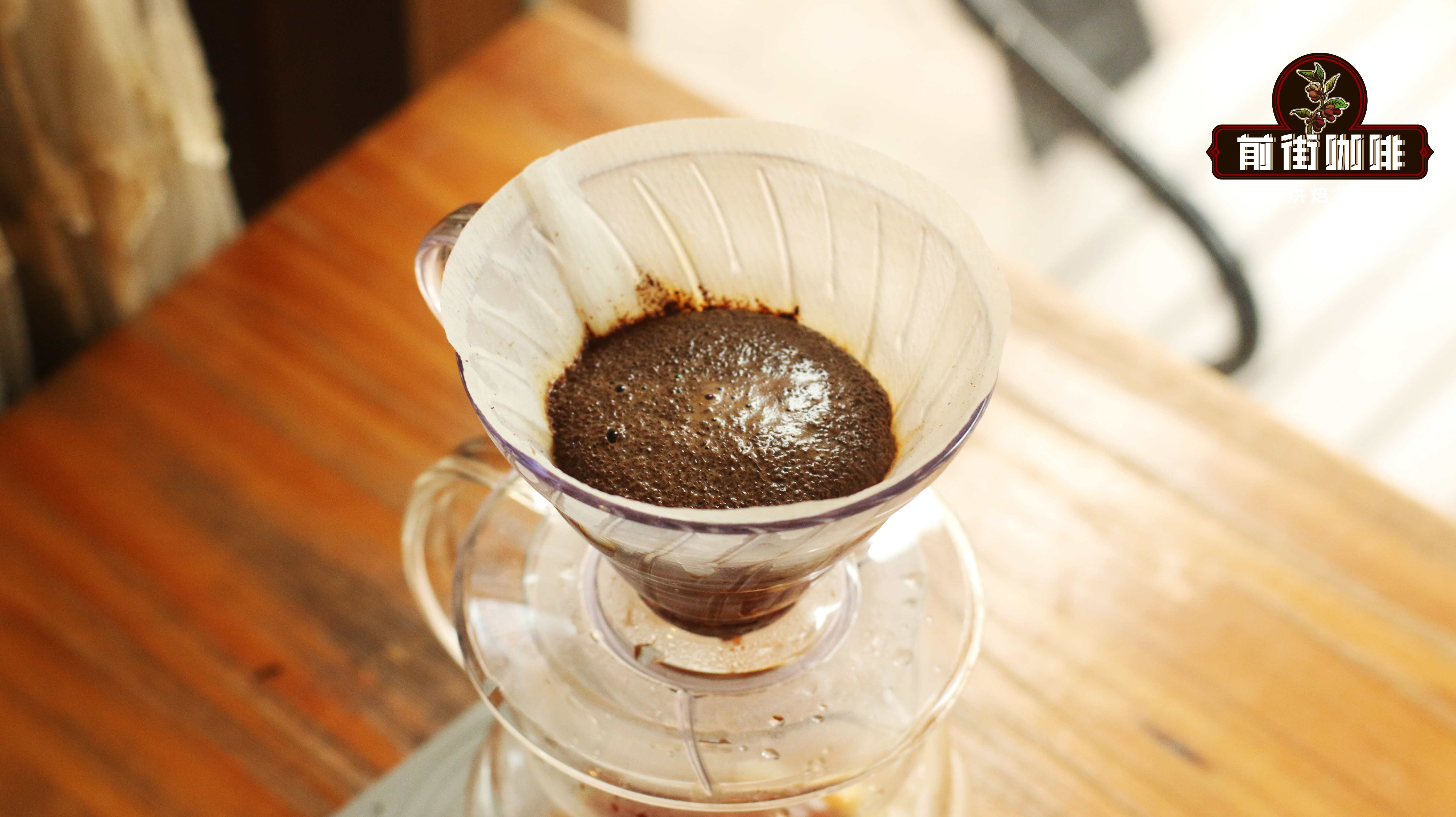
Why exactly is the bloom in pour-over coffee unskippable? A complete analysis from the principles of degassing to the number of pouring stages
The blooming phase in pour-over coffee may look like simply wetting the coffee grounds with hot water, but it actually determines whether the entire cup can be extracted evenly. Drawing on the hands-on experience of Front Street Coffee, this article systematically sorts out the core purposes of blooming—releasing gases inside the coffee beans, ensuring even extraction, and judging bean freshness—and analyzes one by one how factors such as coffee bean storage time and roast level, water temperature, amount of water poured, blooming duration, and grind size affect the blooming effect. Through comparative experiments, the article also verifies the actual impact of the number of pouring stages on extraction time and flavor performance, helping enthusiasts understand the logic and applicable boundaries of three-stage pouring. [more…]
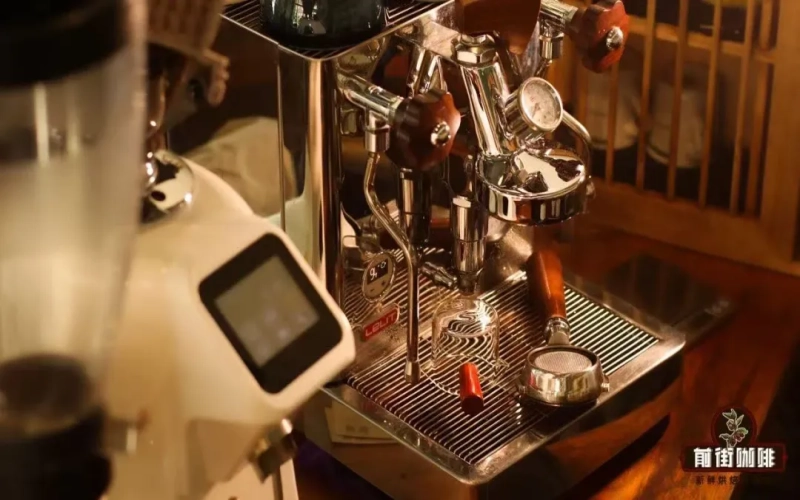
Espresso Machine Gasket Replacement Tutorial: Causes of Unstable Pressure, Weakened Steam, and Coarse Milk Froth, Plus Deep Cleaning Methods for the Whole Machine
Erratic pressure during extraction, weakening steam, and milk foam that just won't froth up no matter what—these problems are often not a sign of declining skill, but rather that your espresso machine is due for maintenance. Drawing on Front Street's practical experience, this article systematically lays out the daily and deep cleaning routines for espresso machines: including flushing hot water before and after extraction, wiping the steam wand, backflushing, soaking the steam tip to remove scale, as well as how to judge when the group head gasket is wearing out and how to replace it yourself. It also covers the key cleaning points and recommended intervals for the water tank, boiler, and portafilter, helping you keep your espresso machine producing consistent shots and extend its service life. [more…]
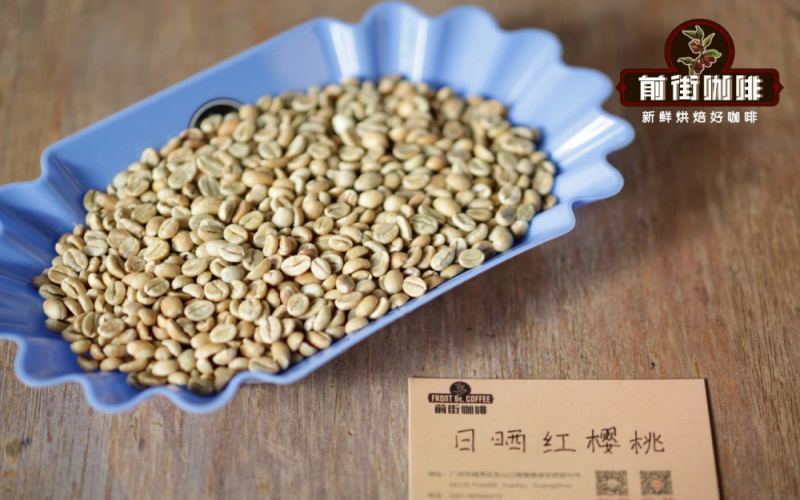
Front Street Yirgacheffe Red Honey Fully Ripe Cherry Flavor Analysis and Pour-Over Parameter Guide
Yirgacheffe, as one of Ethiopia's most representative regions, has always been loved for its bright floral and fruity notes. The introduction of the red honey process allows this classic region to retain its cleanliness while gaining fuller sweetness and body. This article focuses on the Front Street Coffee Yirgacheffe Gersi red honey processed lot, tracing its flavor sources one by one—from the all-red cherry picking standard, 58-hour anaerobic pre-fermentation, and extended sun-drying of more than 15 days, to the process of depulping while retaining more mucilage. This G1 lot, custom-made by DWD for China Tea, shares the same region, same bean variety, and same processing plant as Aodibei Yirga Cherry. After light roasting, flavors of jasmine, elderflower, oolong tea, strawberry, orange, nectarine, pineapple, and mango interweave, with high sweetness and a strong finish, combining the cleanliness of a washed coffee with the smoothness of juice. [more…]
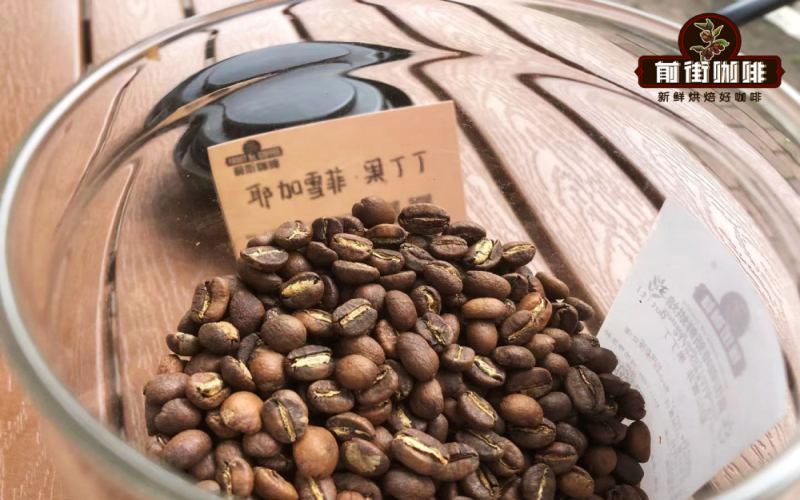
Yirgacheffe Gedeb Natural Coffee Bean Flavor Analysis and Pour-Over Parameter Sharing
Front Street Coffee offers over 200 types of coffee beans and continuously updates them. This article focuses on Yirgacheffe natural Gedeb. The Gedeb cooperative is located in the Worka production area at the southeastern end of Yirgacheffe. It became independent from the Worka cooperative in 2012, has about 300 farmers, and is called the last pure land of Yirgacheffe, continuing to use traditional natural processing. The cupping notes show dry aromas of peach, sweet orange, and white petals; on the palate there are strawberry, lychee, citrus acidity, and sucrose sweetness, with a medium body and a long floral finish. The article also provides V60 pour-over parameters and extraction methods, and introduces the background of the Gedeb micro-region. [more…]
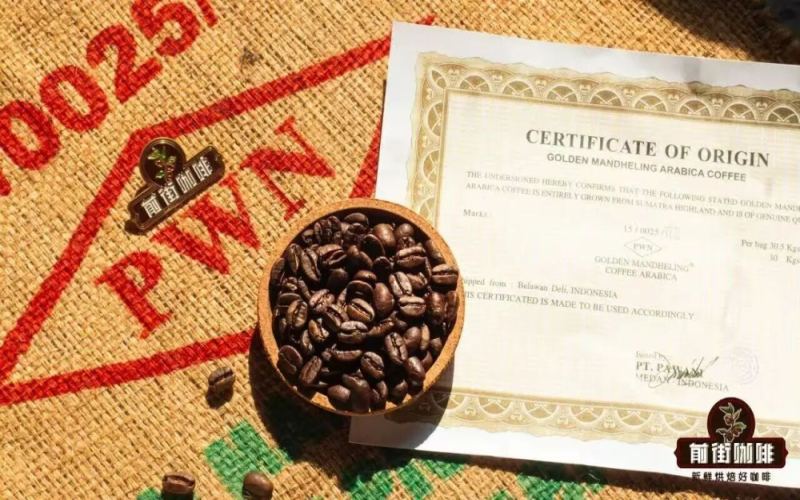
Characteristics of African Coffee | Beyond Pour-Over, Can Classic Yirgacheffe Be Used for Cold Brew/Ice Drip/SOE Espresso? Beginner-Friendly Single-Origin Bean Recommendations with Floral and Citrus Flavors
Traditionally, no matter the country or region, coffee has almost always been dark roasted, so it often leaves a "deeply etched" impression. But as the concept of "specialty coffee" emerged around the turn of the millennium, Yirgacheffe also appeared at this time. Not only does it lack that unbearable bitterness, it even has a remarkable white [more…]
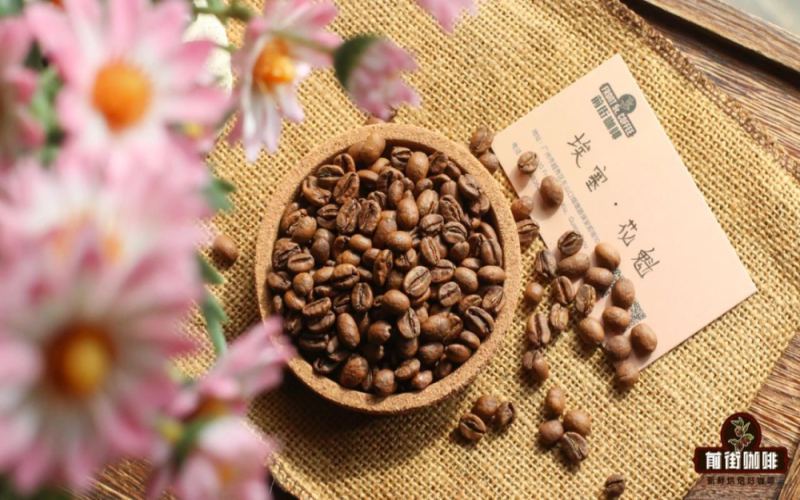
Can Geisha Sun-Dried Beans Be Used in a Moka Pot? A Practical Analysis of a Medium-Roast Geisha Coffee Bean from Sidamo, Ethiopia
As a highly recognizable single-origin coffee from Ethiopia, Huakui is known for its rich aroma and high sweetness, and it once won first place in the natural category at the 2017 Ethiopian International Cup Tasting Day. This article focuses on the origin background, processing methods, and flavor characteristics of Huakui coffee, with emphasis on answering whether it is suitable for extraction with a moka pot, and provides detailed operating steps. The article also recommends two Huakui products from Front Street Coffee—a medium-light roast suitable for pour-over, and a medium roast intended for moka pot and espresso machine SOE. Finally, it includes a method for making a moka pot latte, helping coffee lovers recreate Huakui's strawberry fruit tea flavor at home. [more…]
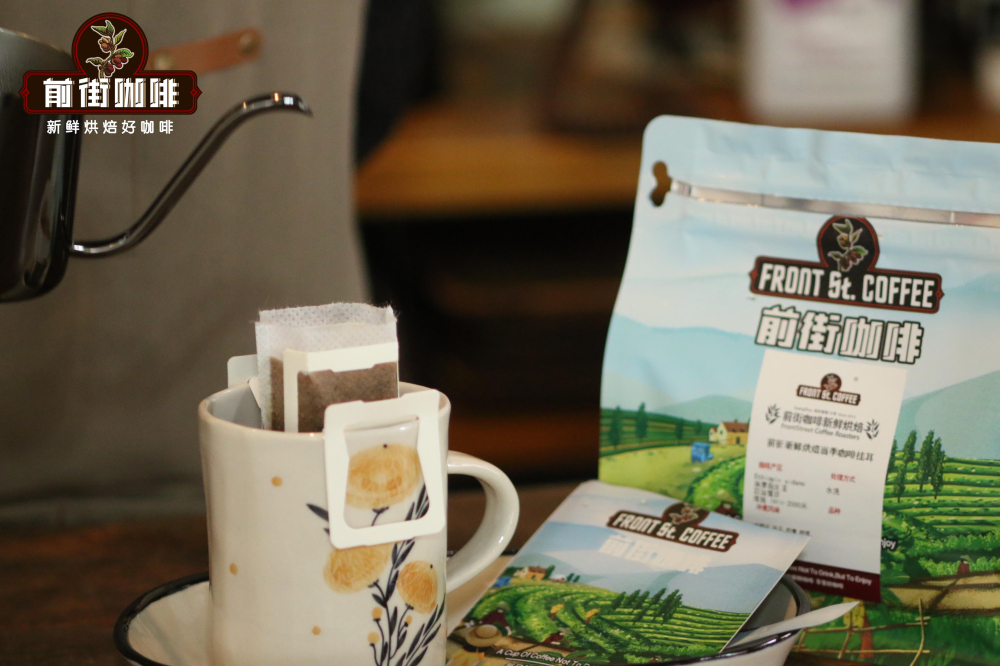
How to Make Drip Bag Black Coffee | How Long Should You Brew Filter Coffee? Can You Reuse a Drip Coffee Bag? What Flavors of Drip Coffee Are There?
With the widespread promotion of specialty coffee culture, drip bag coffee—made from freshly roasted coffee beans ground to a certain coarseness—has become a must-have coffee product for office workers and home dwellers alike. Compared with pour-over coffee, drip bag coffee is convenient and simple to make, allowing you to easily brew a cup full of aroma and [more…]

When Buying Beginner Pour-Over Beans, Check the Roast Date: Master the Peak-Flavor Window and Sealed Storage Tips
Freshly roasted coffee beans have accumulated a large amount of carbon dioxide inside, and at this point the bean structure is tight and the aromatic compounds have not yet fully unfurled. If brewed immediately after roasting, the violently released gas can easily prevent hot water from evenly penetrating the coffee grounds, often making the extracted coffee taste thin or sour. Give the coffee beans a [more…]
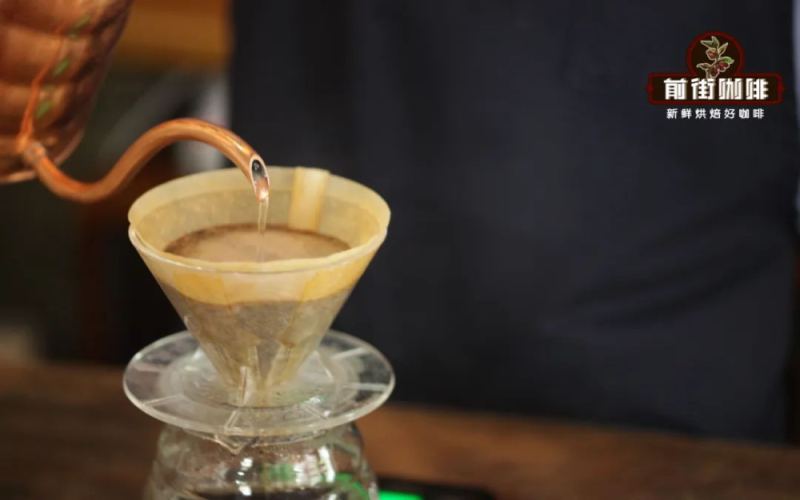
Analysis of the Differences Between Pulsed Pour-Over and One-Pour Method in Hand-Brewed Coffee: Extraction Time, Flushing Efficiency, and Suitable Bean Types
In pour-over coffee, the pouring method after blooming directly affects the final flavor. Is it the "one-pour" method, where all the water is poured at once, or is it divided into two or more stages? These two approaches differ significantly in extraction time, flushing efficiency, and controllability. Staged pouring extends the extraction window, making the release rhythm of sweet, sour, and bitter compounds more controllable, thereby enhancing the coffee's complexity. But more stages isn't necessarily better; in everyday brewing, two to three stages are most common, as they allow flexible adjustment and make it easier to hit the ideal extraction time. This article will compare in detail the differences between the one-pour method and staged pouring, and explain what kind of coffee beans are better suited to staged extraction. [more…]

How is coffee drinks different from real coffee? Is the refreshing effect the same? Are ready-to-drink coffee and instant coffee the same thing?
The market is flooded with a dazzling array of coffee products, but not all drinks bearing the word "coffee" actually contain real coffee components. Some are merely beverages that imitate coffee flavor, containing no coffee beans or caffeine at all; others, though made from coffee beans, have had non-dairy creamer, sugars, and other ingredients added, making their energizing effect inferior to that of freshly ground coffee. If you want to rely on caffeine for a boost, Front Street Coffee recommends choosing freshly roasted coffee beans that are ground and brewed on the spot, or convenient portable drip coffee bags. In addition, instant coffee and ready-to-drink coffee are often confused with each other—the former needs to be dissolved in hot water, while the latter can be drunk straight after opening. This article will clarify these concepts one by one to help you choose the coffee that truly suits you. [more…]
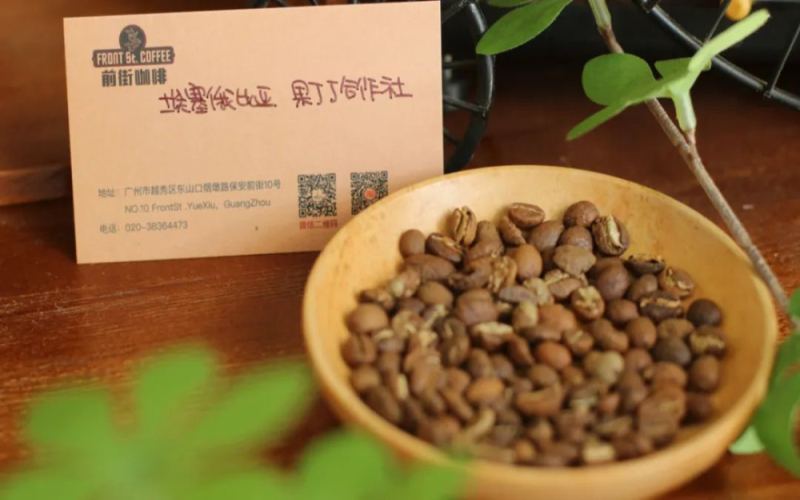
Exploring Ethiopia SNNPR Natural Yirgacheffe G1: Flavor Analysis of the Heirloom Variety from Gedeb Gotiti Cooperative, Alimbukato Smallholder
The Woka/Gotiti micro-regions in southeastern Yirgacheffe have always dazzled at the cupping table thanks to their high altitude and meticulous processing. This article focuses on the Alimbukato smallholder lot from the Gotiti cooperative, detailing both the natural and washed traditional methods, and presents a complete flavor description of Front Street Coffee's Gotiti. The natural lot shows berry, sweet orange, and creamy aromas, with clear sweetness and a black tea note in the finish; the washed lot is Grade G1, and under a medium-light roast it highlights jasmine and lemon notes, with citrus, blueberry, honey, and green tea interwoven on the palate, juicy and bright with balanced acidity and sweetness. The article ends with V60 three-pour brewing parameters and a flavor analysis, giving you a full experience of the rich charm of classic Gotiti. [more…]
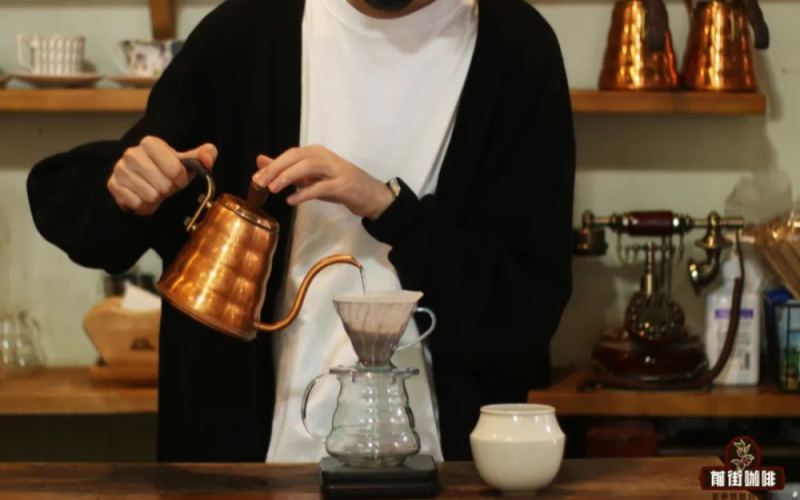
How to Keep Pour-Over Coffee Quality Stable as Temperatures Drop? A Full Guide to Water Temperature, Equipment Preheating, and Static Control
When cold air arrives, the extraction rhythm of pour-over coffee often gets thrown off. The originally set water temperature of 92°C may drop to only 87°C by the time it reaches the coffee bed, and a sudden drop in ambient temperature causes hot water to lose even more heat in the air, leading to under-extraction and a weak, flat flavor. In addition to raising the water temperature by 1–2°C or lowering the height of the pour, preheating the server and dripper can also significantly slow heat loss—an unheated server will cause the coffee liquid to drop to around 69°C, while after preheating it can be maintained at around 75°C. In addition, the static electricity generated during grinding in cold weather cannot be ignored either; coffee grounds tend to clump or stick to the grinder, which can be effectively solved with a distribution needle and a blower. This article starts with three key details to help you keep every cup of pour-over performing steadily. [more…]